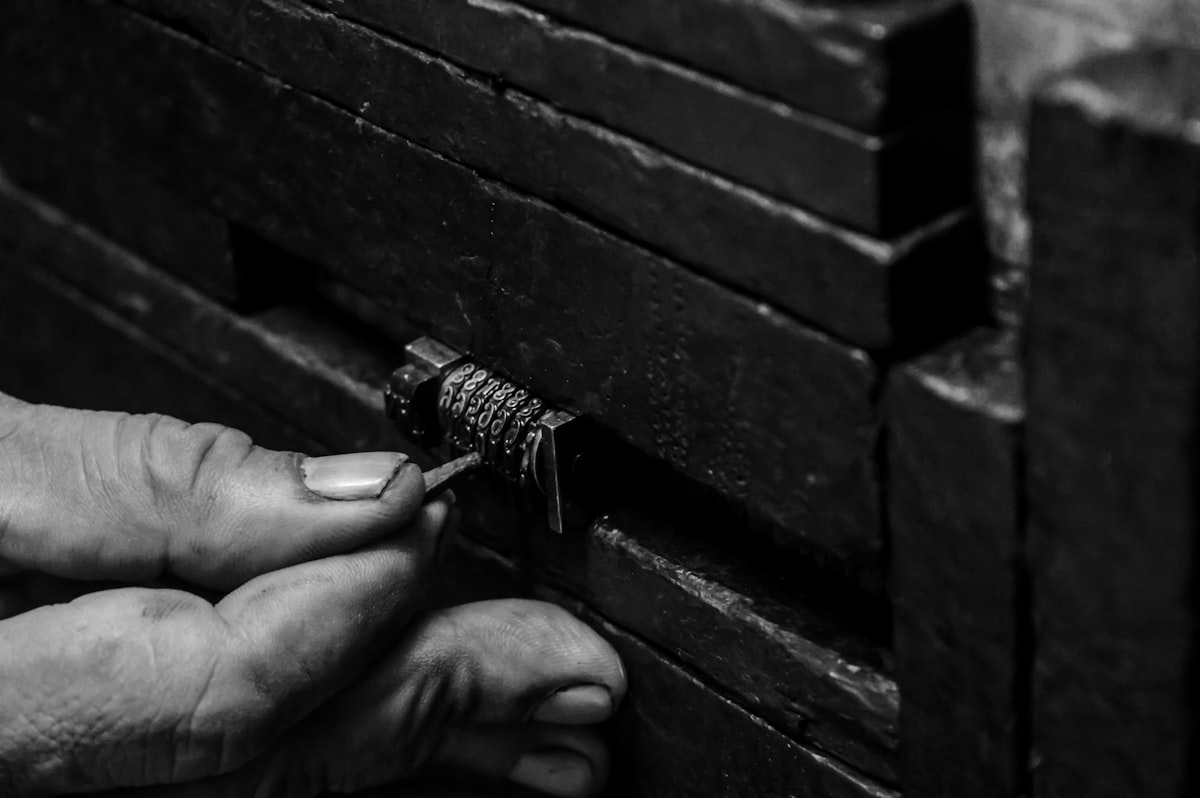
Every obstacle they threw at us forced us to adapt. Every door they slammed shut taught us how to pick the lock. Every institution that abandoned us forced us to become resourceful. We survived every crisis they manufactured and every snake-oil solution they sold. For decades, they’ve won by controlling the board. They bribed the referees, rewrote the rules, and patted themselves on the back for being “smart players.” Now they’re up against a generation that learned to survive their rigged game.
They confused a stacked deck for genius
Here’s what the winners always get wrong about themselves: they think the rules they wrote are the laws of physics. They think because the casino paid out, they beat the house. They never had to learn the skills the rest of us did, because they never had to play a fair hand. They inherited the chips. They bought the dealer. And then they wrote a thousand business books explaining how their “grit” got them there.
Meanwhile, the rest of us were getting an education they couldn’t buy. When they killed the pension, we learned to survive without one. When they gutted the union, we learned to organize without a hall. When they offshored the plant, we learned to retrain on our own dime at midnight after the second shift. When they loaded us with debt for a degree they’d already hollowed out, we learned that the credential was never the point. Every single thing they took from us, they replaced with a skill they don’t have and can’t fake: the ability to keep going when the system is built to grind you down.
That’s not a consolation prize. That’s the most dangerous thing a ruling class can do-teach the people it’s exploiting how to operate without it.
Adaptation is a one-way ratchet
A boss can lay off ten thousand workers in an afternoon. He cannot un-teach them what the layoff taught them. The manufactured crisis is supposed to break you. Sometimes it does. But more often it strips away the last illusion you were holding onto-that if you just kept your head down, played by the rules, and trusted the institution, you’d be taken care of. Once that illusion is gone, you are genuinely free in a way the comfortable never are. You stop asking permission. You start asking who else is in the same boat.
The fail-sons have never had that illusion stripped away, because for them it was never an illusion. The institution does take care of them. The court does rule their way. The cop does protect their property. They have never once had to improvise, and it shows the moment the script breaks. Watch what happens when a billionaire is asked an unscripted question, or when a CEO has to explain his own product. They flounder. They have the resourcefulness of a houseplant.
We are the opposite. We are nothing but resourcefulness, because resourcefulness is what’s left after they take everything else.
So we stop playing on their board
Here’s the trap, though: knowing how to survive a rigged game is not the same as winning it. You can be the most adaptive, resilient, lock-picking worker alive and still lose, every time, as long as you keep playing on a board they own. The referees are still bought. The rules still reset in their favor the second you get close. Survival inside the machine is not the goal. Building something outside it is.
That’s the whole idea behind organizing in Orbits-small, self-governing teams of three to twenty-five people who share a grievance and a shift, not a boss and a logo. You don’t petition the people who rigged the board. You build a parallel one they can’t see and can’t reach. Roles rotate every ninety days so no one becomes a referee you have to bribe. Every decision goes in a transparency log so no one can quietly rewrite the rules. Money moves only with two signatures. The server is deaf-no names, no metadata, no list for a union-buster to subpoena.
It’s the same survival instinct that kept us alive through every manufactured crisis, finally pointed at something other than just surviving. We took the skills they forced on us and built our own table.
They spent decades teaching us how to live without them. They should have thought harder about what we’d do once we figured out we could.
The smart players are about to learn the thing every gambler learns eventually: the house only wins as long as you keep sitting at the table. We’re getting up. We’re building constellations now, not bureaucracies. And we already know how to pick the lock on the way out.